
Past LifeApp Live Events
Mixing the arts, music, speakers, and stories, to start conversations that matter around the art, science, and spirit of love.
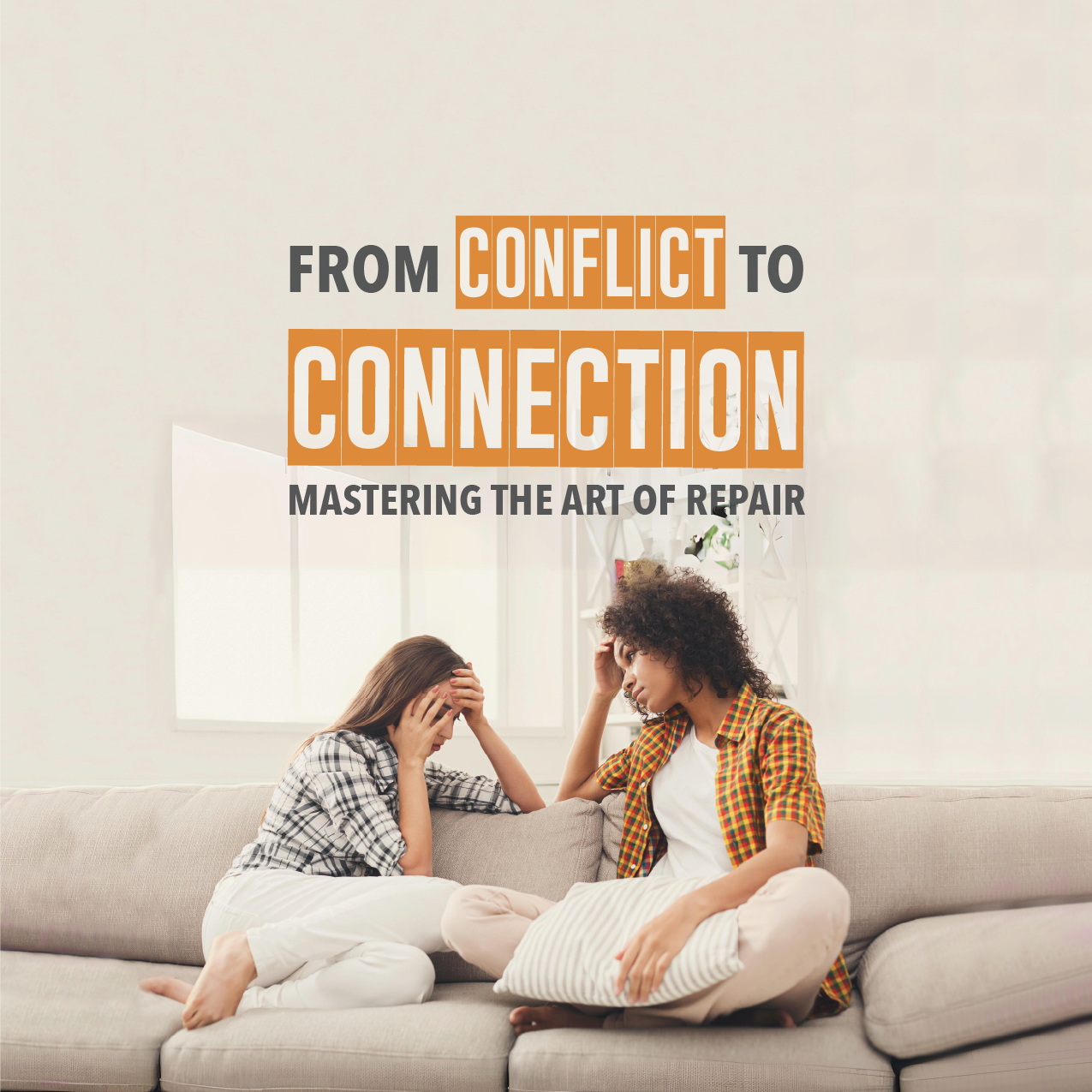
Whether it’s with a friend, partner, parent, child, neighbour, or coworker—most of us have more than enough experience at conflict. But how many of us have mastered the art of repair after a conflict or regrettable incident?

What is joy and how do we find it, keep it, live it, give it? As Brene Brown emphasizes, joy is not the absence of pain or struggle, but rather the ability to find lightness, gratitude, and meaning in the midst of challenges.

What would it take to become a master at communicating love and respect in a way that all the people in your life heard the message loud and clear?

Are you living life as your best self? It’s a question few can answer with a resounding yes. After all, being true to yourself and leading an authentic life isn’t easy.
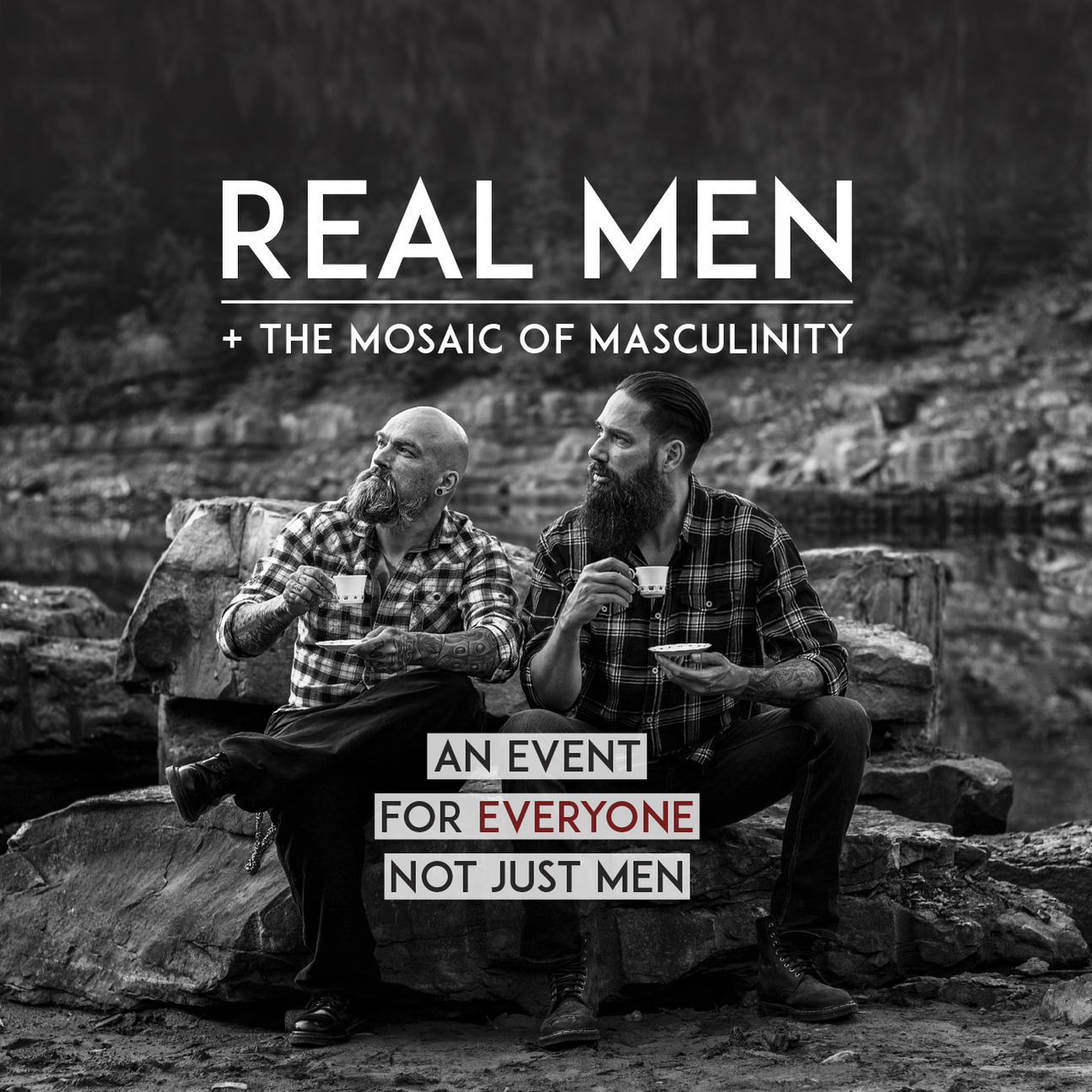
What does it mean to “be a man”? What does masculinity really look like? We think it’s time to start a conversation upstream—challenging where we get our ideas of masculinity and manhood.

Making gratitude a habit, proactively creating a culture of appreciation, isn’t just important for our individual well-being, it’s a critical success factor affecting the quality of all our relationships.
Who am I and why am I here? How often do we actually invest time, energy, and money in growing our sense of identity and purpose—individually, collectively, or as a society?
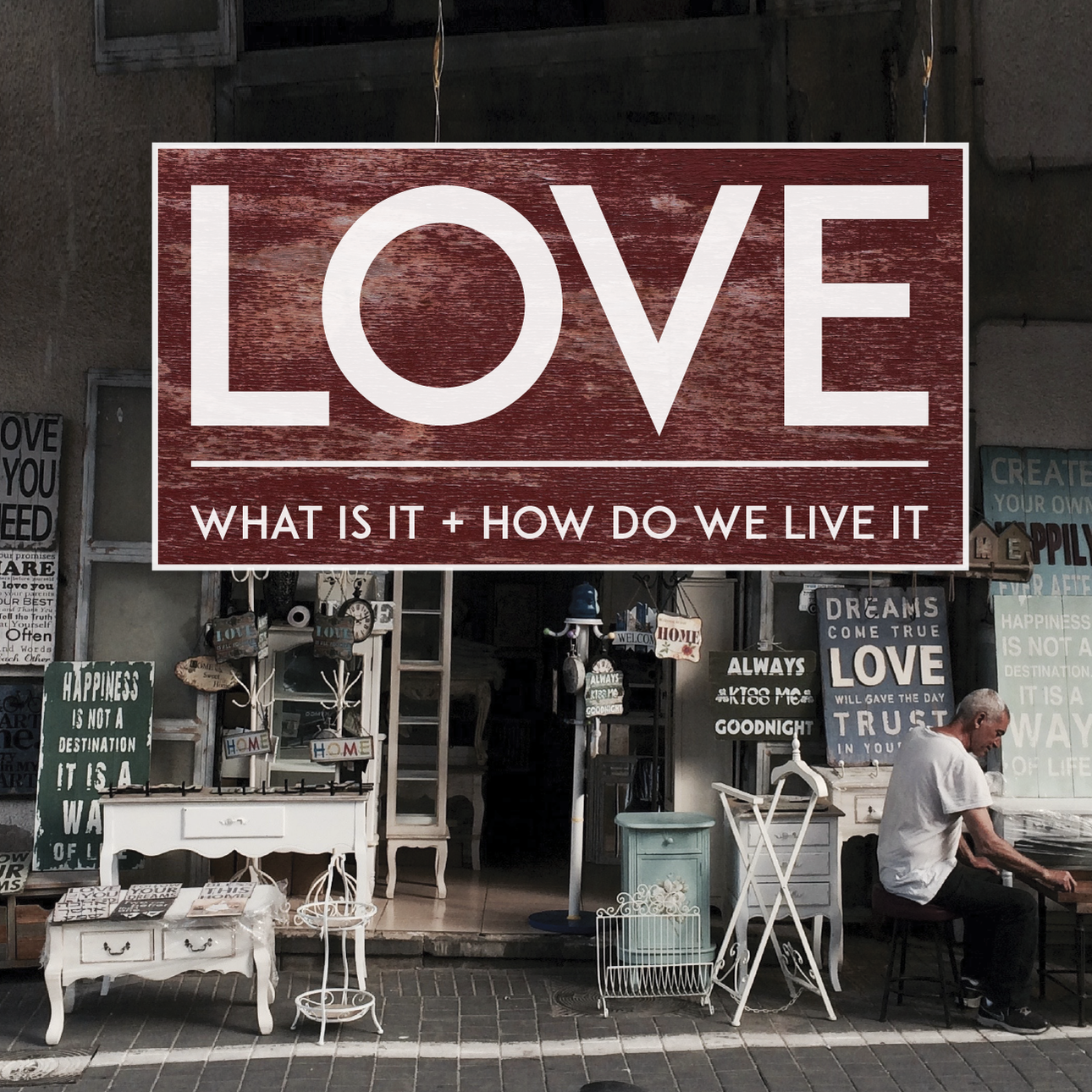
What is love? Is it an emotion, a way of living, the energy pulsing through the universe? What does it really look like to live love well—toward ourselves, others, our planet, and the universe?

How can we grow shame-resilience: understanding our vulnerabilities and cultivating the kind of empathy, courage, and compassion that will put a stop to the shame that holds us back.
Few factors have greater impact on our quality of life than our success or failure in relationships. What are the key ingredients for relational success in our marriages, families, schools and workplaces?
We were designed to connect and belong. But what happens when we don’t? Too often, we substitute connection for substances, pursuits, habits, or actions we hope will fill our need to belong.
When it comes to conflict, most of us create it, avoid it, and engage in it. But how many of us have mastered the art of repair after a conflict or regrettable incident?
We often talk about the need to forgive. But what does forgiveness really look like? Why is it so easy to talk about it, but so difficult to practice it?

Trauma, whether big or small – changes us. But while traumatic incidents undoubtedly affect us; what shapes our future, for better or worse, depends on how we process that trauma.

The relationships we engage in form and shape our lives. Whether we’re intentional or not, few factors have greater impact on who we become than the company we keep.

Falling in love is easy. But staying in love? That's completely different. How is it that the person we couldn’t stay away from can often become the person we can’t stand to be around?
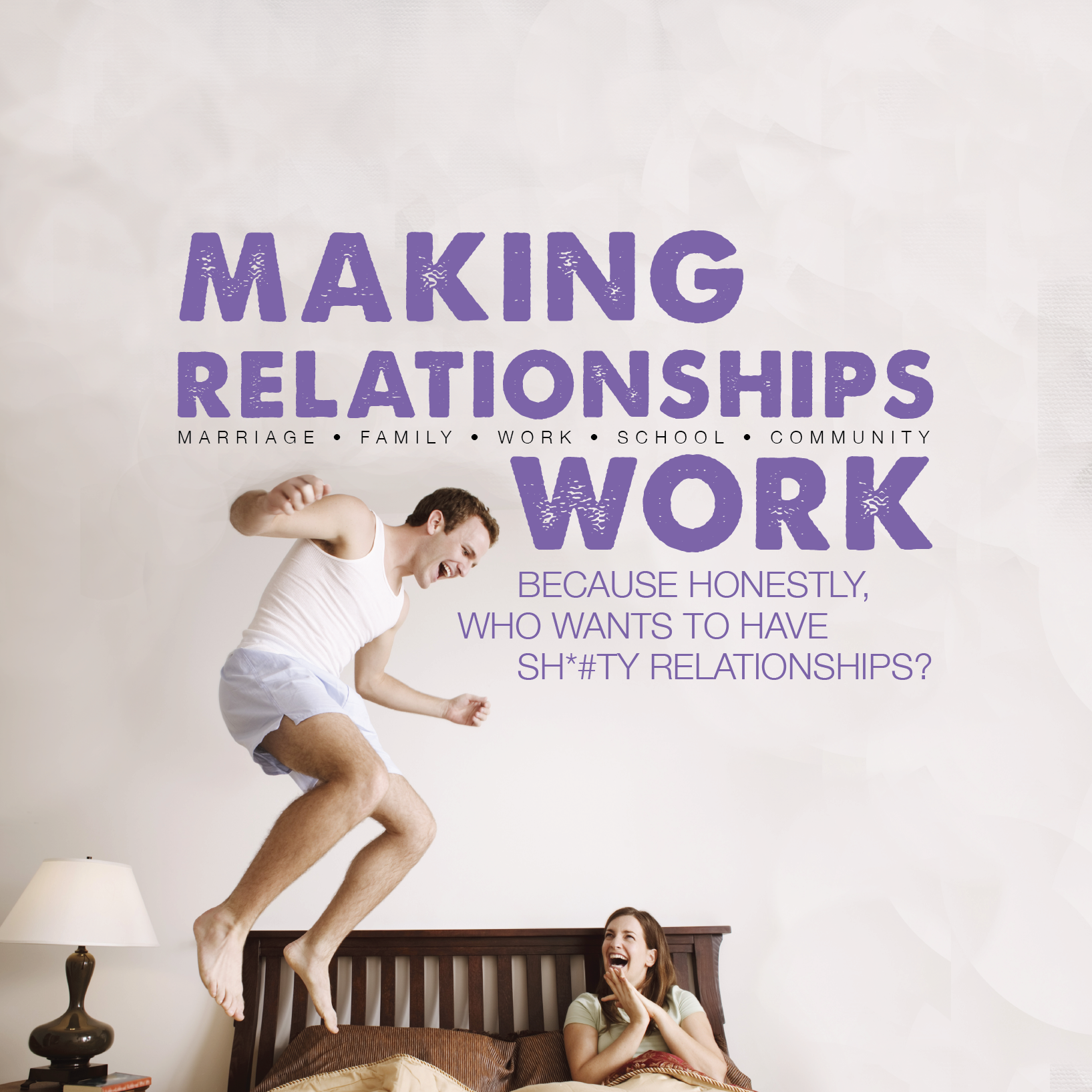
Even the most successful relationships have conflict. Research has shown that it’s not the conflict, but rather how it’s managed that predicts the success or failure of a relationship.

What we eat changes our thoughts, and our thoughts change our life. What if we not only ate food we loved, but also learned to eat food that loved us back?
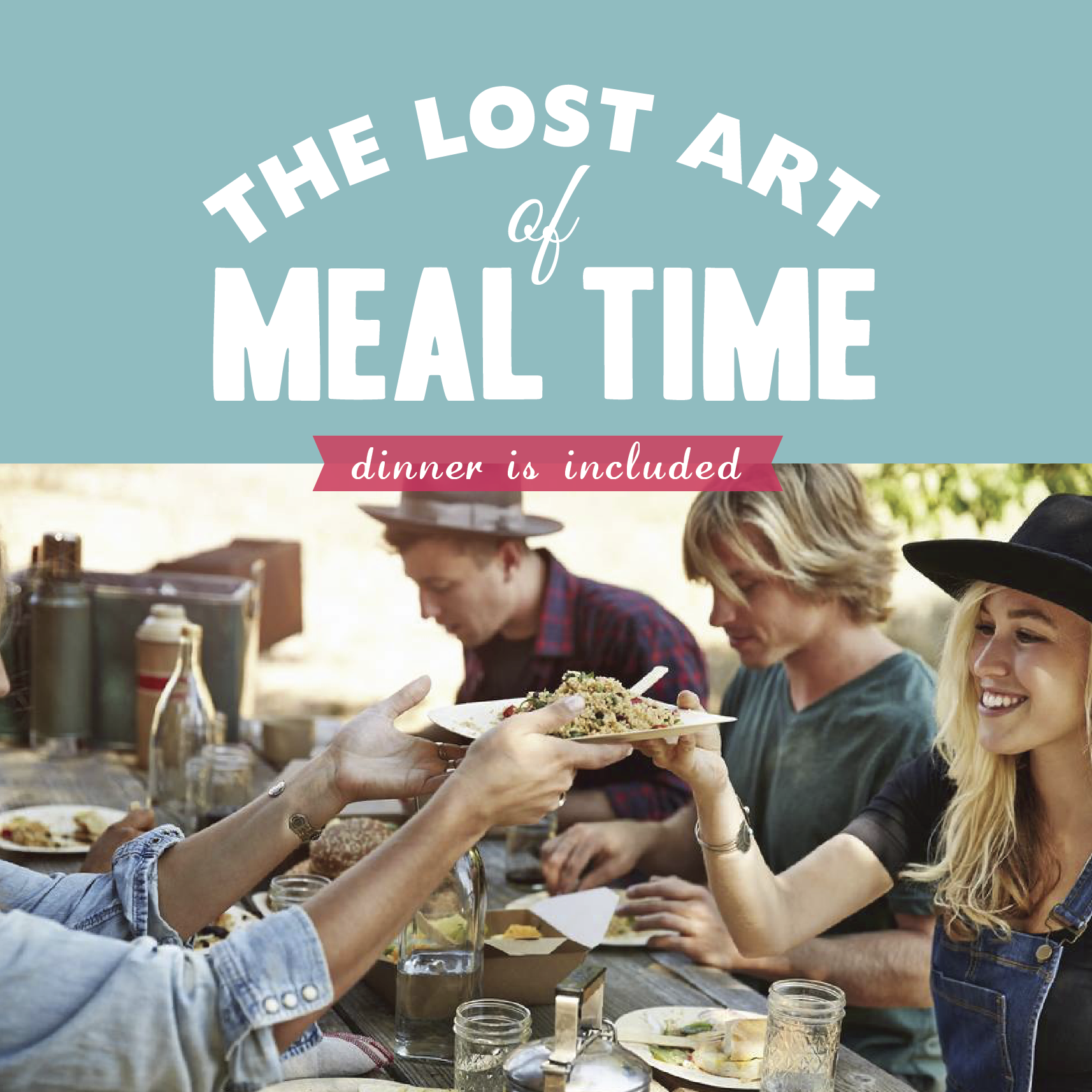
How we do meal time, matters. Healthy meal time rituals help us connect, slow down, be present, engage in meaningful conversation, relieve stress, and grow stronger relationships.
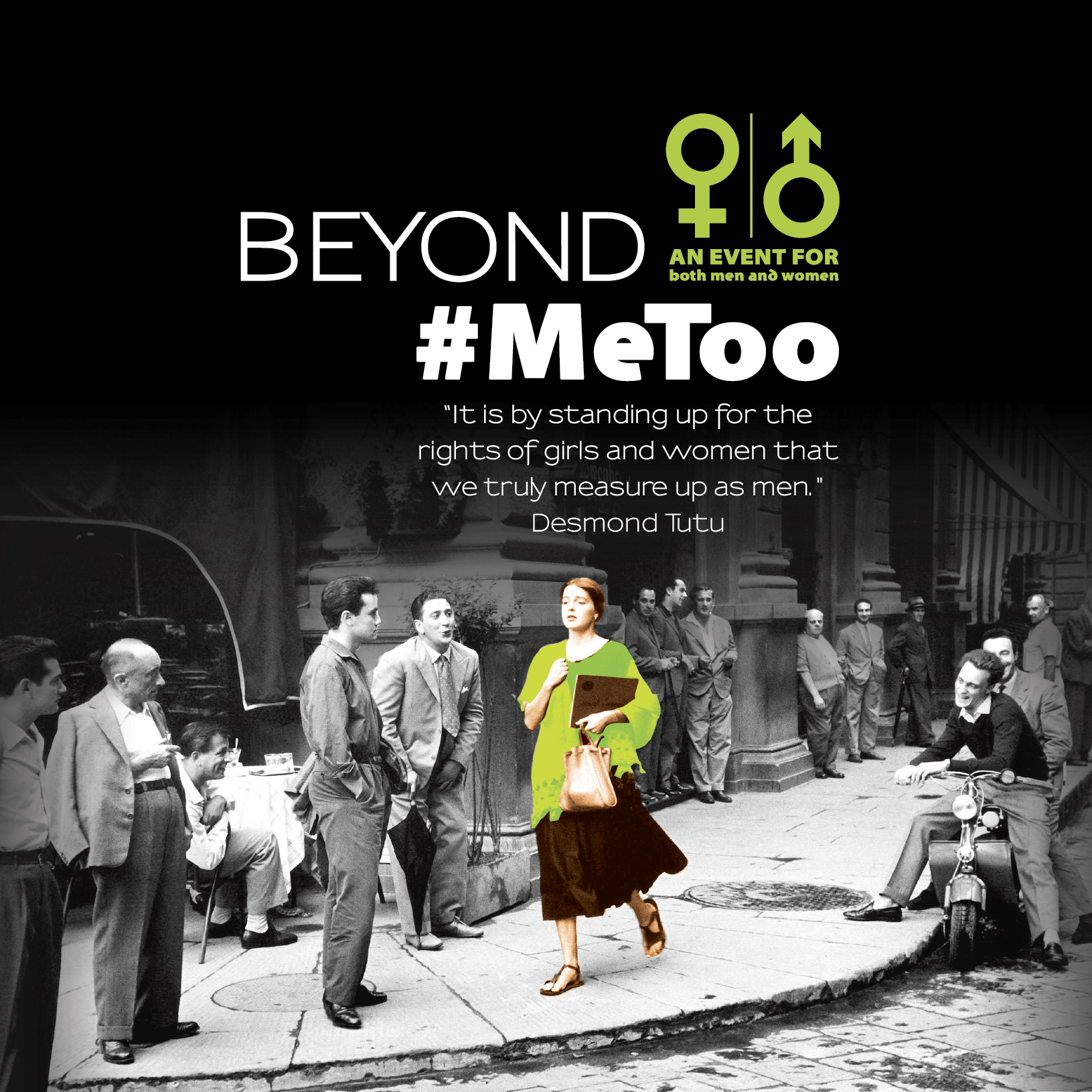
October 2017 #MeToo went viral, increasing awareness of the widespread prevalence of sexual assault and harassment. Now we’re inviting men to add their voice in changing the way men view and treat women.

Whether you’re single or married, at home or at work, a kid or adult, we each have our own unique language when it comes to how we express and receive love.
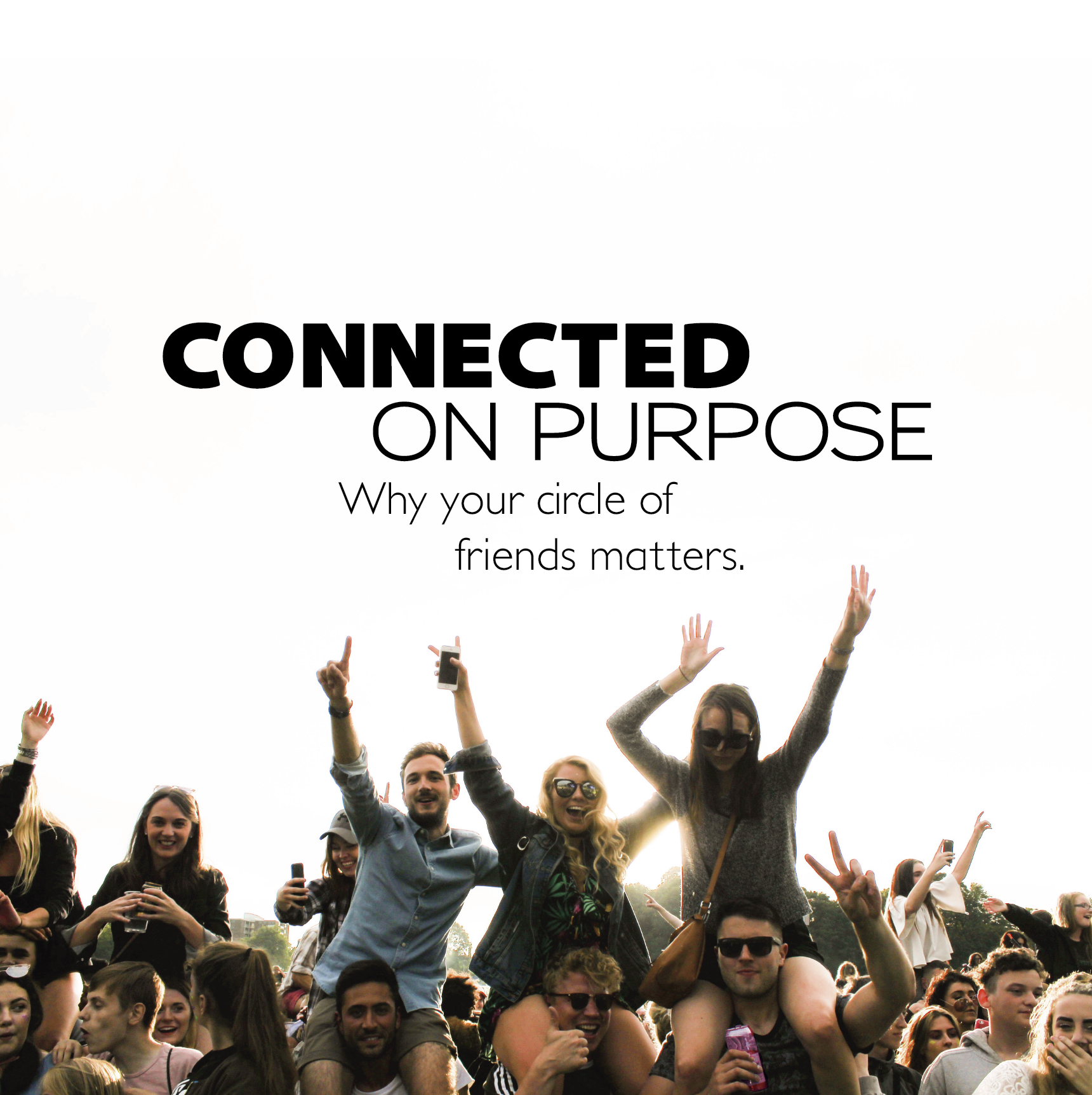
What if we were to do life in micro-communities where it was normal to know and be known, love and be loved, serve and be served, celebrate and be celebrated?

In spite of all the ways we now connect with each other – texting, instant messaging, chatting, social networking, tweeting, emailing; social isolation and loneliness is on the rise.
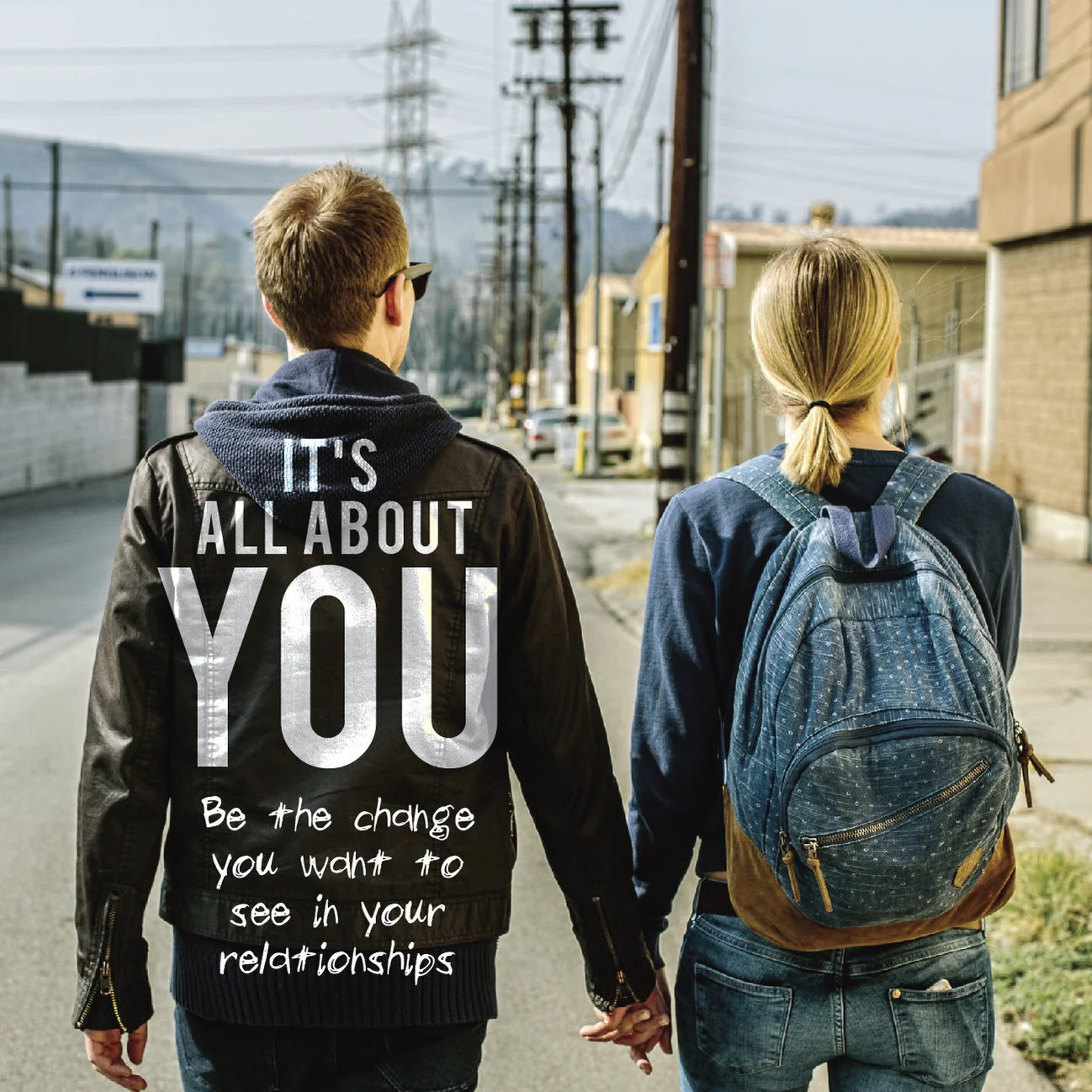
Whether it’s a partner, a child, a parent, a friend, or a coworker; those who thrive in their relationships take responsibility for their role and change their own behaviour.

While privilege is neither good or bad, what we do with it is. Perhaps the biggest challenge is that privilege is most often invisible to those who have it.

Healthy relationships are formed when we mutually shift from me to we – creating space for another person to thrive, while they’re doing the same for us.

Learning to apologize doesn’t always mean you’re wrong and the other person is right. Instead it means that you value the relationships in your life more than your ego.
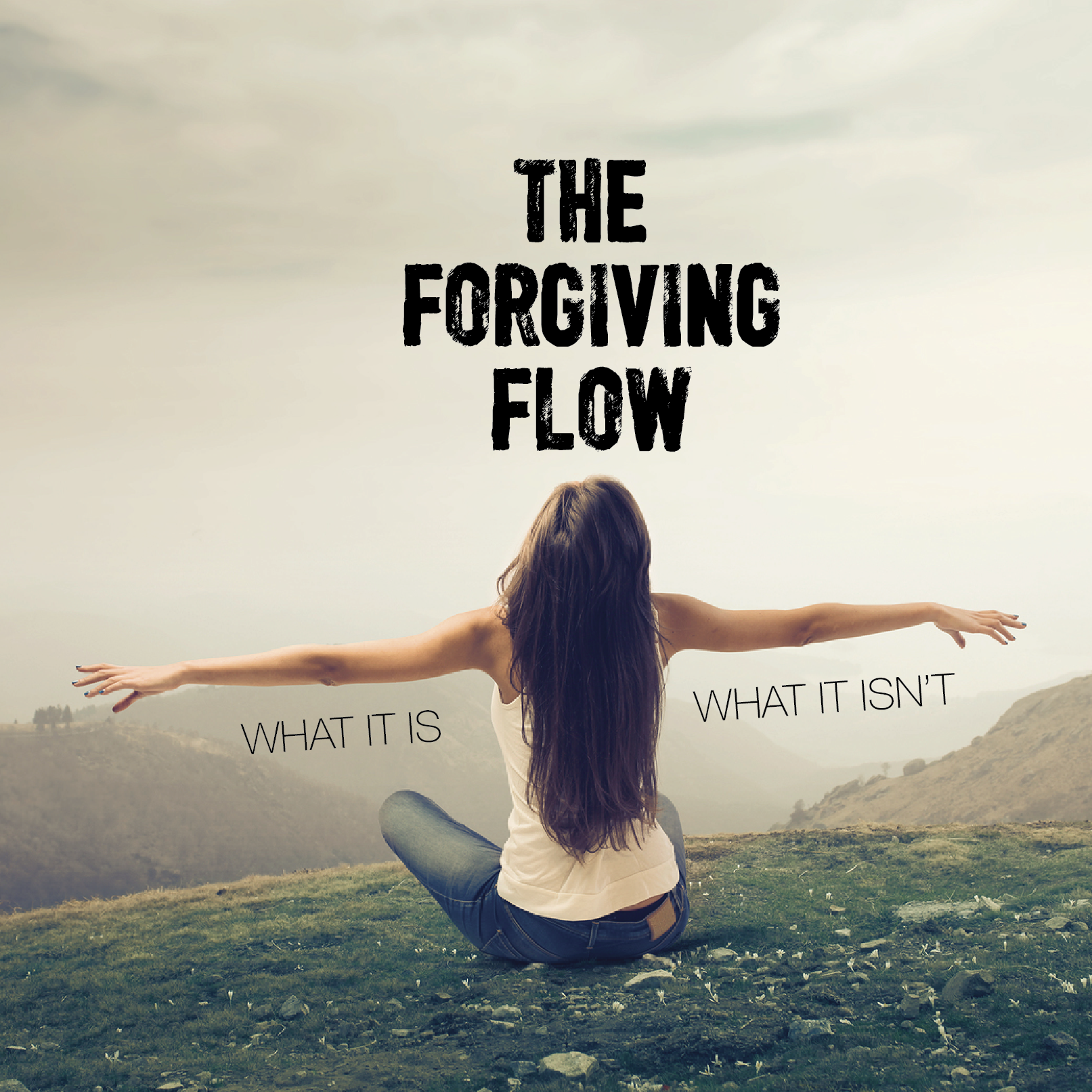
Why do we so often want it, yet struggle to give it? Forgiveness holds the power it to release us from the prisons of our own making - leading us toward healing, joy and freedom.
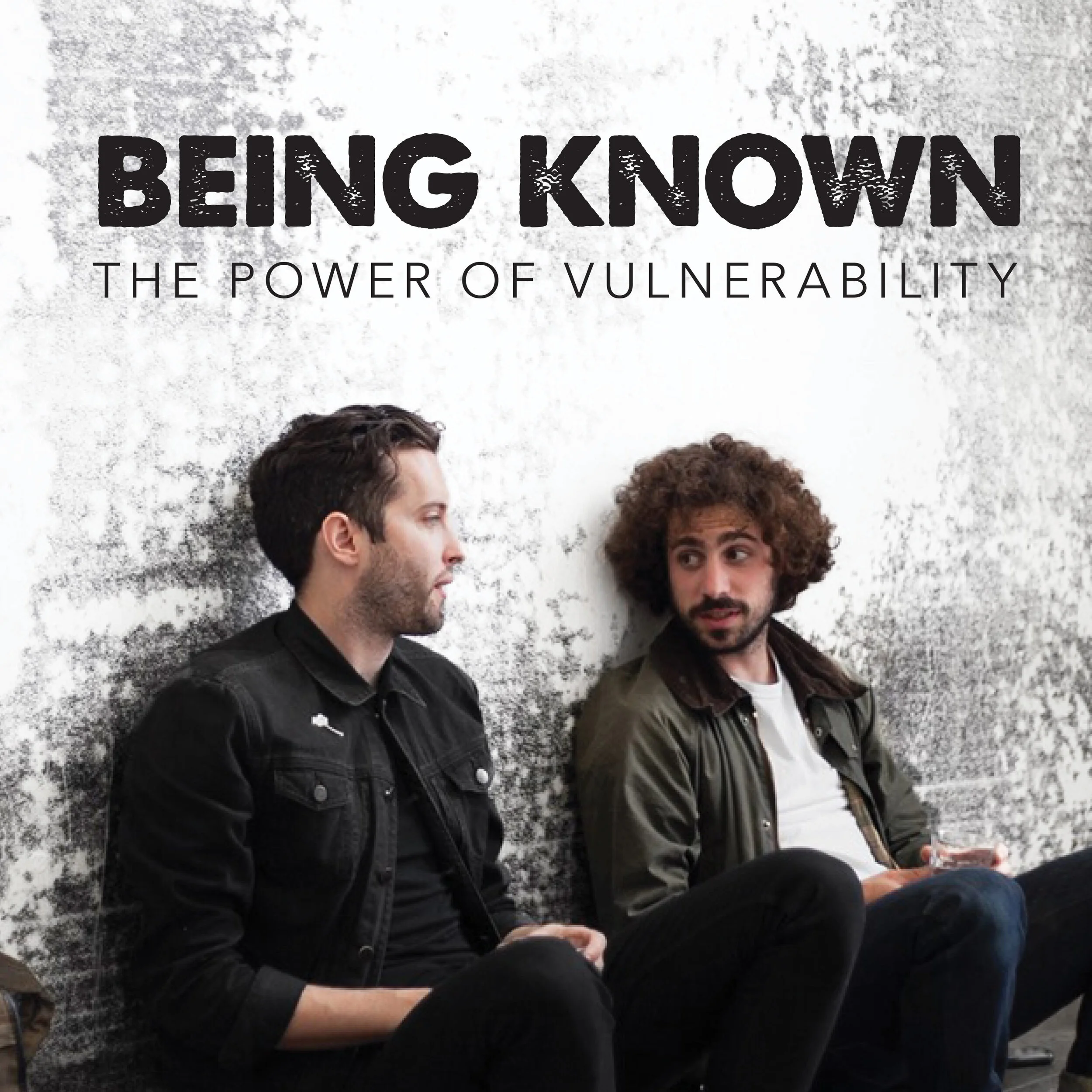
We often associate vulnerability with emotions we want to avoid such as fear, shame, and uncertainty; yet vulnerability is also the birthplace of joy, belonging, creativity, authenticity, and love.
Staying Calm, Sane, and Open in a Chaotic World – What is anxiety and how is it affecting us? We often think of anxiety as ranging from mild unease to full-blown panic attacks. But anxiety also drives our addictive behaviors and the habits we use to cope.